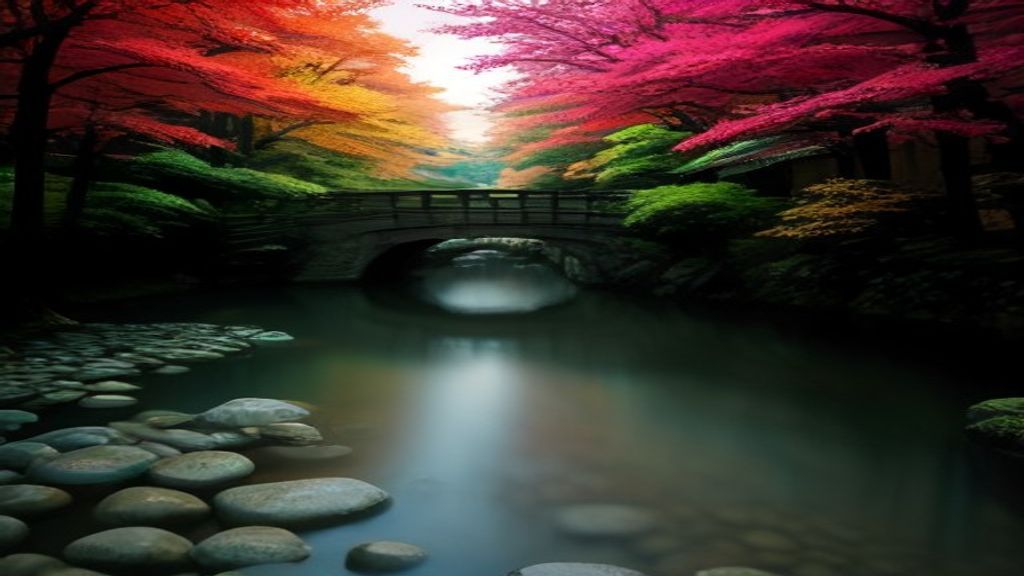
Key Highlights
- Explore Kenrokuen Garden, one of Japan’s most celebrated landscape gardens.
- Immerse yourself in contemporary art at the 21st Century Museum of Contemporary Art.
- Wander through the atmospheric Higashi Chaya District, a beautifully preserved geisha quarter.
Lying on the coast of the Sea of Japan, Kanazawa offers a captivating blend of traditional Japanese culture and modern artistic expression, often overlooked in favor of Kyoto or Tokyo. This enchanting city, once a powerful feudal domain, has meticulously preserved its heritage, providing visitors with an authentic glimpse into Japan’s rich past. From its world-renowned garden to its vibrant art scene and historic geisha districts, Kanazawa promises a journey of discovery for every traveler seeking depth and beauty. Get ready to explore a city where art, history, and nature intertwine seamlessly.
The Timeless Beauty of Kenrokuen Garden
No visit to Kanazawa is complete without experiencing Kenrokuen Garden, consistently ranked among Japan’s three most beautiful landscape gardens. Established over centuries by the ruling Maeda clan, this expansive garden is a masterpiece of horticultural design, embodying the six attributes of a perfect garden according to Chinese landscape aesthetics: spaciousness, seclusion, artifice, and naturalness, while also featuring a spaciousness, seclusion, artifice, and naturalness, with scenic viewpoints and a sense of grandeur.
Exploring Kenrokuen’s Six Attributes
Kenrokuen is designed to showcase six key qualities that define its perfection:
- Spaciousness & Seclusion: The garden’s layout provides vast open spaces alongside intimate, hidden corners, creating a sense of both openness and privacy.
- Artifice & Naturalness: Man-made elements like ponds, bridges, and carefully placed rocks are integrated so harmoniously with the natural terrain that they appear entirely natural.
- Watercourses & Views: The garden features a complex network of streams and ponds, with water playing a central role in its design. Numerous vantage points offer breathtaking views of the landscape.
Key Sights within Kenrokuen
Within the garden’s sprawling grounds, you’ll discover several notable features:
- Uchibori and Gyokusen’inmaru: These are areas representing different historical periods of the garden’s development, showcasing evolving landscape styles.
- Kotoji-tōrō: An iconic stone lantern with two legs, straddling a small pond. It’s one of the most photographed spots in the garden.
- Kasumikei: A beautiful teahouse offering a tranquil spot to rest and admire the surroundings. Several other teahouses are dotted throughout the garden.
- Contemplative Paths: Wander along winding paths that lead you through meticulously pruned trees, vibrant flowerbeds, and serene water features. The garden changes dramatically with the seasons, offering unique beauty in spring (cherry blossoms), summer (lush greenery), autumn (fiery foliage), and winter (snow-dusted landscapes).
Visiting Kenrokuen Garden
- Location: Kenrokuen-cho, Kanazawa, Ishikawa Prefecture.
- Access: Easily accessible by bus from Kanazawa Station (e.g., Kanazawa Loop Bus “Right Loop” or “Left Loop” to Kenrokuen-shita stop). The journey takes approximately 15-20 minutes.
- Opening Hours: Typically 7:00 AM to 6:00 PM (March 1 to October 31) and 8:00 AM to 5:00 PM (November 1 to February 28). Hours may vary slightly.
- Admission Fee: Around ¥320 for adults. Discounts are available for children and seniors.
- Best Time to Visit: Early morning to avoid crowds, especially during peak seasons. Consider visiting during special illuminations held in spring and autumn.

Art and Innovation at the 21st Century Museum of Contemporary Art
Kanazawa is not just about ancient beauty; it’s also a hub for cutting-edge contemporary art. The 21st Century Museum of Contemporary Art, Kanazawa, is a testament to this, offering a unique and engaging artistic experience that blurs the lines between art, architecture, and public space.
Architectural Marvel and Interactive Exhibits
The museum itself is a work of art. Designed by SANAA architects, it features a circular, glass-walled building with no distinct entrance or exit, symbolizing openness and accessibility. Inside, you’ll find a collection of interactive and immersive installations that invite visitor participation.
- ‘The Swimming Pool’ by Leandro Erlich: This iconic installation creates the illusion of being underwater while remaining dry. Visitors can walk beneath a ‘pool’ of water, offering a surreal and memorable experience.
- ’21st Century Museum of Contemporary Art, Kanazawa’s Collection: The museum boasts a diverse collection, including works by Yayoi Kusama, James Turrell, and Olafur Eliasson. Many pieces are designed to be interacted with, encouraging a playful and inquisitive approach to art.
- ‘Color Activity House’ by Tatsu Nishihara: An area dedicated to interactive art for children and adults alike.
Visiting the Museum
- Location: 1-2-1 Hirosaka, Kanazawa, Ishikawa Prefecture.
- Access: A short walk from Kenrokuen Garden or easily reachable by Kanazawa Loop Bus to the Hirosaka, 21st Century Museum of Contemporary Art stop.
- Opening Hours: Generally 10:00 AM to 6:00 PM (weekdays and Sundays), 10:00 AM to 8:00 PM on Saturdays and holidays. Closed on Mondays (or Tuesdays if Monday is a national holiday) and New Year’s holidays.
- Admission Fee: Admission to the museum grounds and some exhibits (like ‘The Swimming Pool’ and ‘Mirror Creation Part’) is free. Special exhibition tickets vary, typically ranging from ¥1,000 to ¥2,000.
- Tip: Check the museum’s official website for current exhibitions and opening hours, as these can change.
Stepping Back in Time: Higashi Chaya District
Kanazawa’s Higashi Chaya District is one of the city’s most charming and evocative areas, offering a captivating glimpse into the world of geisha culture. This beautifully preserved Edo-period entertainment district, along with its sister districts Nishi Chaya and Kazuemachi, transports visitors to another era.
Exploring the ‘Eastern Teahouse’ District
Higashi Chaya is the largest and most famous of Kanazawa’s geisha districts. Wander along the narrow, lantern-lit streets lined with traditional wooden machiya houses, many of which now house charming cafes, souvenir shops, and teahouses (chaya).
- Shima Teahouse: This is one of the few teahouses that have been preserved in their original state and are open to the public. Step inside to see the elegant rooms where geisha entertained.
- Kaiseki Dining: Experience a traditional multi-course kaiseki meal at one of the upscale restaurants in the district.
- Gold Leaf Craftsmanship: Kanazawa is renowned for its gold leaf production, and many shops in Higashi Chaya sell exquisite gold leaf-adorned crafts, from cosmetics to tableware.
- Atmospheric Stroll: Simply walking through the district, especially in the early morning or evening, is a magical experience. The soft glow of lanterns and the distinct architecture create an unforgettable ambiance.
Practical Information for Higashi Chaya
- Location: Near the Asanogawa River, east of the city center.
- Access: Accessible by bus from Kanazawa Station (e.g., Kanazawa Loop Bus “Right Loop” to Kazue-machi or Owari-cho stops), followed by a short walk. It’s also a pleasant walk from Kenrokuen Garden.
- Best Time to Visit: Early morning for quiet exploration, or late afternoon/early evening to experience the district as lanterns are lit.

Echoes of the Samurai: Nagamachi Samurai District
For a different historical perspective, head to the Nagamachi Samurai District. This area was once home to Kanazawa’s samurai class during the Edo period. Today, it offers a fascinating look into their lives and the architecture of the time.
Preserved Residences and Atmosphere
Stroll along the narrow, earthen-walled streets, and you’ll feel the weight of history. Many of the residences have been preserved or restored, offering insights into the samurai lifestyle.
- Nomura-ke Samurai House: This is the most famous and well-preserved samurai house in Nagamachi. You can explore its traditional rooms, admire the intricate wooden architecture, and enjoy the small, beautiful garden within its walls. Admission is typically around ¥550.
- Earthen Walls: The distinctive, long earthen walls (dobu) that line the streets are characteristic of samurai residences, designed for defense and insulation.
- Cypress Trees: Look for the tall cypress trees often planted in samurai gardens, symbolizing strength and longevity.
Visiting Nagamachi
- Location: South of Kanazawa Station, near the Korinbo shopping district.
- Access: A short bus ride from Kanazawa Station (Kanazawa Loop Bus “Right Loop” or “Left Loop” to Korinbo or Kata-machi stops) followed by a walk, or a 15-20 minute walk from the Korinbo area.
- Best Time to Visit: Daytime for exploring the residences and gardens.
Beyond the Main Attractions: Other Kanazawa Highlights
While Kenrokuen, the 21st Century Museum, and the geisha and samurai districts are the primary draws, Kanazawa offers more treasures to uncover.
Omicho Market
Kanazawa’s kitchen, Omicho Market, has been a bustling marketplace for centuries. It’s a vibrant place to sample fresh seafood, local produce, and Kanazawa specialties. Don’t miss the chance to try a fresh seafood bowl (kaisendon).
- Opening Hours: Generally 9:00 AM to 5:00 PM, but individual stalls may vary.
Myoryuji (Ninja Temple)
Despite its nickname, Myoryuji Temple is not directly related to ninjas but features an intricate system of hidden traps, secret passages, and escape routes designed for defense. Access is by guided tour only, and reservations are often required, usually in Japanese. It’s a fascinating glimpse into ingenious medieval engineering.
- Reservations: Contact the temple in advance; English tours may be limited or unavailable.
Craft and Design
Kanazawa’s commitment to traditional crafts is evident in its many workshops and galleries, especially those related to gold leaf, Kaga-yuzen silk dyeing, and Kutani porcelain.
Planning Your Kanazawa Trip
Getting to Kanazawa
Kanazawa is most easily accessed via the Hokuriku Shinkansen (bullet train) from Tokyo Station. The journey takes approximately 2.5 to 3 hours. The JR Pass can be used for this route.
Getting Around Kanazawa
The city center is quite walkable, especially the areas around Kenrokuen, the 21st Century Museum, and Higashi Chaya. For longer distances, Kanazawa’s excellent bus network is very convenient. The Kanazawa Loop Bus (Right Loop and Left Loop) is particularly useful for tourists, connecting major attractions.
Consider purchasing a one-day bus pass if you plan on using the bus system frequently. This pass costs around ¥800 and offers unlimited rides on designated buses within a day.
Where to Stay in Kanazawa
Kanazawa offers a range of accommodations, from luxury hotels to traditional ryokans and budget-friendly hostels.
- Near Kanazawa Station: Convenient for transportation, with many business hotels and larger chains.
- Korinbo/Katamachi: The city’s downtown area, offering a mix of hotels, shopping, and dining, close to Nagamachi Samurai District.
- Higashi Chaya District: For a more atmospheric stay, consider a traditional machiya townhouse or a boutique hotel in or near this historic area.
For booking your stay, exploring options that offer a blend of comfort and convenience is key.
🏨 Booking.com Best Price Guarantee
Compare hundreds of hotels, enjoy free cancellation, and find the perfect accommodation.
Food and Drink in Kanazawa
Kanazawa is a culinary paradise, particularly renowned for its incredibly fresh seafood. Don’t leave without trying:
- Kaisendon: A bowl of rice topped with assorted fresh sashimi.
- Jibuni: A local duck or chicken stew, often thickened with flour and flavored with soy sauce.
- Kaga Vegetables: Local varieties of vegetables used in traditional cuisine.
- Sake: Ishikawa Prefecture is a significant sake-producing region, so sample some local brews.
Frequently Asked Questions (FAQ)
How many days are recommended to visit Kanazawa?
To truly experience the highlights of Kanazawa, including Kenrokuen Garden, the 21st Century Museum, Higashi Chaya, and the Samurai District, 2 to 3 days are recommended. This allows for a relaxed pace and time to explore some of the smaller attractions and enjoy the local cuisine.
Is Kanazawa crowded?
Kanazawa is generally less crowded than major tourist hubs like Kyoto and Tokyo. However, popular spots like Kenrokuen Garden and the 21st Century Museum can get busy, especially during peak seasons (spring cherry blossoms, autumn foliage) and on weekends. Visiting early in the morning or on weekdays can help avoid the largest crowds.
What is the best way to book Kanazawa attractions or tours?
Many popular attractions, like the 21st Century Museum’s special exhibits, can be booked online in advance to secure your spot and potentially save time. For tours, especially those offering English guidance (like at Myoryuji Temple, if available), it’s advisable to book ahead. Consider services that bundle popular experiences or provide city passes.
Your Kanazawa Adventure Awaits
Kanazawa is a city that rewards the curious traveler with its serene beauty, artistic soul, and deep historical roots. It offers a more intimate and perhaps more authentic Japanese experience away from the bustling metropolises. From the meticulously sculpted landscapes of Kenrokuen to the avant-garde expressions at the 21st Century Museum and the preserved elegance of its historic districts, Kanazawa provides a profound connection to Japan’s cultural heritage.
Pack your bags and prepare to be enchanted by this hidden gem. Your unforgettable journey to Kanazawa starts now!
コメントを残す