Key Highlights
- Experience the preserved Edo-period charm of Takayama’s old town and unique Hida culture.
- Marvel at the iconic gassho-zukuri farmhouses of Shirakawa-go, a UNESCO World Heritage site.
- Navigate seamlessly between these alpine gems using efficient public transport and consider regional passes.
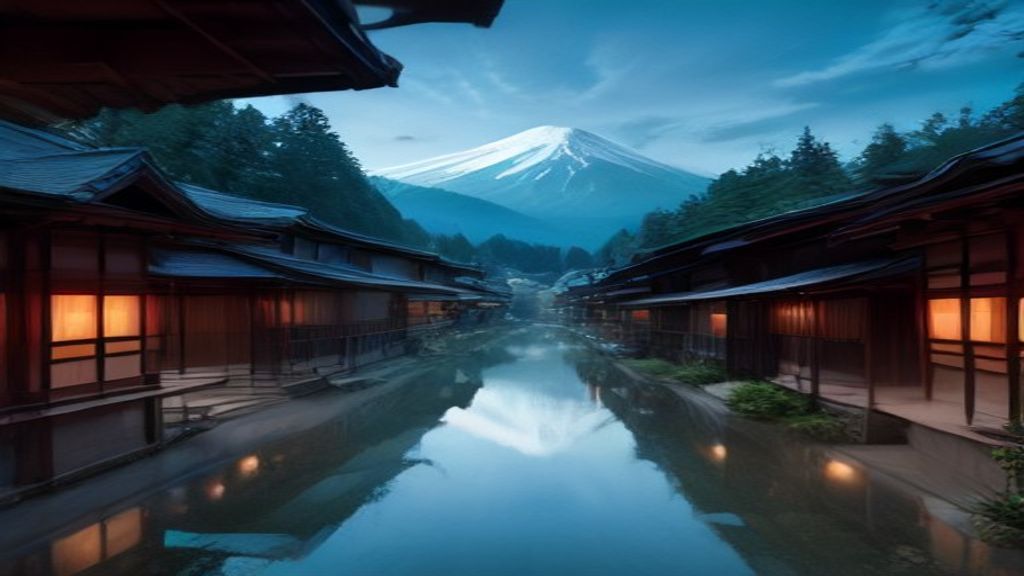
Tucked away in the heart of the Japanese Alps, Takayama and Shirakawa-go offer an unparalleled glimpse into Japan’s traditional past. Far removed from the neon glow of Tokyo or the bustling streets of Osaka, these destinations transport visitors to an era of samurai, merchants, and picturesque rural life. Takayama, known as ‘Little Kyoto,’ boasts a remarkably preserved Edo-period townscape, while the nearby village of Shirakawa-go enchants with its iconic gassho-zukuri farmhouses, a testament to ingenious architectural adaptation and a designated UNESCO World Heritage site. This guide will equip you with everything you need to plan an unforgettable journey through these captivating alpine treasures.
Getting to Takayama and Shirakawa-go
The journey to these mountain retreats is part of the adventure, offering stunning vistas of the surrounding Japanese Alps. The most common gateway is via Nagoya, a major transportation hub easily accessible from Tokyo and Osaka.
From Tokyo or Osaka to Takayama
-
Shinkansen (Bullet Train) to Nagoya:
- From Tokyo Station, take the JR Tokaido Shinkansen bound for Shin-Osaka or Hakata. The journey to Nagoya takes approximately 1.5 to 2 hours. Use your Japan Rail Pass if you have one for this leg.
- From Shin-Osaka Station, the journey is slightly shorter, around 50 minutes to 1 hour.
-
JR Hida Limited Express Train to Takayama:
- At Nagoya Station, transfer to the JR Hida Limited Express train heading towards Takayama. This scenic train ride winds through mountainous terrain and takes approximately 2 hours and 20 minutes.
- Booking seats in advance is recommended, especially during peak seasons.
- The views from the left side of the train are often considered more spectacular.
Cost Estimate (One-way from Nagoya to Takayama): Approximately ¥6,000 – ¥7,000 per person.
From Takayama to Shirakawa-go
This leg is best covered by bus, as there is no direct train service.
- Nohi Bus or Hokutetsu Bus:
- Buses depart regularly from the Takayama Nohi Bus Center, located adjacent to JR Takayama Station.
- The journey takes approximately 50 minutes to 1 hour.
- Advance reservations are essential, especially for the popular early morning and late afternoon services. You can book tickets online or at the bus center.
- Consider purchasing a round-trip ticket if you plan to return to Takayama the same day or shortly after.
Cost Estimate (One-way bus from Takayama to Shirakawa-go): Approximately ¥2,600 per person.
Alternative Routes
- From Kanazawa: Shirakawa-go is also accessible from Kanazawa via the same Nohi/Hokutetsu buses. This is a popular option for those traveling along the Hokuriku Shinkansen line. The journey from Kanazawa to Shirakawa-go also takes about 1 hour and requires advance booking.
- Day Trip Tours: Numerous tour operators offer day trips from Takayama, Nagoya, or even Kanazawa, which can simplify logistics for those with limited time or who prefer guided excursions. These often combine both Takayama and Shirakawa-go. `
✈️ Klook Special Travel Deal
Get instant confirmation, skip the lines, and book your tickets safely online.
`

Exploring Historic Takayama
Takayama, nestled in the Hida region, is a city that has masterfully preserved its heritage. Its charm lies in its compact size and the wealth of historical attractions within easy walking distance.
Sanmachi Suji (Old Town)
This is the heart and soul of Takayama. Strolling through Sanmachi Suji feels like stepping back into the Edo period (1603-1868). The narrow streets are lined with immaculately preserved wooden buildings housing sake breweries, craft shops, miso producers, and traditional restaurants.
- Sake Breweries: Several breweries offer tastings and sell their local brews. Look for the sugidama (cedar balls) hanging outside, indicating that new sake has been brewed.
- Craft Shops: Find exquisite local crafts, including Hida Shunkei lacquerware and intricately carved wooden toys.
- Tamakago: Don’t miss trying local delicacies like gohei mochi (grilled rice cakes with sweet miso) and Hida beef skewers.
Tip for Sanmachi Suji: Visit early in the morning to experience the old town with fewer crowds and capture the best photographs. Many shops open around 9:00 AM.
Takayama Jinya
This unique historical site was the local government office during the Edo period. It’s the only remaining building of its kind in Japan, offering a fascinating insight into the administrative and judicial workings of the era. Explore the tatami-matted rooms, interrogation chambers, and the impressive tax rice storehouse.
- Entry Fee: Around ¥440 per adult.
- Opening Hours: Typically 8:45 AM – 5:00 PM (closes earlier in winter).
Morning Markets (Miyagawa and Jinya-mae)
Experience the local agricultural life at Takayama’s vibrant morning markets. Held daily along the Miyagawa River and in front of the Takayama Jinya, these markets feature local farmers selling fresh produce, handmade crafts, and regional specialties.
- Hours: Roughly 7:00 AM – 12:00 PM.
- What to Buy: Fresh fruits, local pickles (tsukemono), handmade textiles, and small souvenirs.
Hida Folk Village (Hida no Sato)
Located slightly outside the city center (a short bus ride or a pleasant walk), the Hida Folk Village is an open-air museum showcasing traditional houses from the Hida region. It provides an excellent introduction to the architectural styles and rural lifestyles that inspired the preservation of places like Shirakawa-go.
- Features: Over 30 relocated and preserved traditional houses, including steep-thatched roof farmhouses and silk-reeling houses.
- Demonstrations: Often features craft demonstrations and cultural activities.
- Access: Take the Sarubobo Bus from Takayama Station (approx. 10 minutes).
- Entry Fee: Around ¥700 per adult.

The Magical Gassho-zukuri Villages of Shirakawa-go
Shirakawa-go and its neighboring village, Gokayama, are collectively recognized as a UNESCO World Heritage site, celebrated for their unique gassho-zukuri farmhouses. These distinctive structures, with their steeply pitched thatched roofs resembling hands clasped in prayer (gassho), were designed to withstand heavy snowfall in this mountainous region.
Ogimachi Village (Shirakawa-go)
Ogimachi is the largest and most accessible of the gassho-zukuri villages. It’s a living museum where residents still inhabit many of these historic homes.
- Walking Through the Village: Explore the narrow paths connecting the farmhouses. Be respectful of residents’ privacy, as these are private homes.
- Wada House: One of the largest and best-preserved gassho-zukuri houses, open to the public. You can explore its interior, including the traditional hearth and sleeping quarters.
- Kanda House & Nagase House: Other notable houses open for visits, each offering unique insights into the past.
- Observation Deck (Shiroyama Viewpoint): Offers the iconic panoramic view of Ogimachi village, especially breathtaking during sunrise, sunset, or when blanketed in snow. Reachable by a short uphill walk or shuttle bus.
Best Time to Visit Shirakawa-go: While beautiful year-round, Shirakawa-go is particularly stunning in winter when the thatched roofs are covered in snow, and during the spring cherry blossom or autumn foliage seasons. The winter light-up events are magical but draw large crowds.
Gokayama Villages (Ainokura & Suganuma)
For a quieter, perhaps more authentic experience, the Gokayama region (part of the same UNESCO site) offers the smaller villages of Ainokura and Suganuma. These are less commercialized and provide a deeper sense of tranquility.
- Access: Buses also serve Gokayama from Takayama and Kanazawa, though schedules may be less frequent than for Shirakawa-go.
- Atmosphere: Experience a more intimate encounter with the gassho-zukuri lifestyle.
Gassho-zukuri Farmhouse Stays
For a truly immersive experience, consider staying overnight in a gassho-zukuri farmhouse. Many have been converted into minshuku (Japanese-style inns) or guesthouses.
- Experience: Enjoy traditional meals (often including Hida beef or local mountain vegetables) served around a central hearth, sleep on futons, and experience rural Japanese hospitality.
- Booking: Bookings are essential, often months in advance, especially for popular spots in Shirakawa-go. Limited availability means these fill up quickly.
- What to Expect: Basic amenities, shared bathrooms are common, and a unique, unforgettable atmosphere.
`
🏨 Booking.com Best Price Guarantee
Compare hundreds of hotels, enjoy free cancellation, and find the perfect accommodation.
`
Planning Your Itinerary & Practical Tips
Maximizing your time in Takayama and Shirakawa-go requires a bit of planning. Here’s how to make the most of your alpine adventure.
Suggested Itineraries:
- 1-Day Trip (Shirakawa-go Focus): Travel from Takayama to Shirakawa-go in the morning, spend 3-4 hours exploring Ogimachi, and return to Takayama by afternoon. This is feasible but rushed.
- 2-Day Trip (Recommended):
- Day 1: Arrive in Takayama, explore the Old Town, Takayama Jinya, and perhaps a morning market. Stay overnight in Takayama.
- Day 2: Take a morning bus to Shirakawa-go, explore the village for 4-5 hours, and then travel onwards to your next destination (e.g., Kanazawa or back to Nagoya).
- 3-Day Trip (Immersive):
- Day 1: Arrive in Takayama, explore the city, and stay overnight.
- Day 2: Spend the morning at Hida Folk Village, then take an afternoon bus to Shirakawa-go to stay overnight in a gassho-zukuri farmhouse.
- Day 3: Explore Shirakawa-go in the morning and depart.
Transportation Passes:
- Japan Rail Pass: Covers the Shinkansen and JR Limited Express to Nagoya and Takayama. Does NOT cover buses to Shirakawa-go.
- Hokuriku Arch Pass: If traveling between Tokyo and Osaka/Kyoto via the Hokuriku Shinkansen (Kanazawa), this pass might be cost-effective and covers the bus between Kanazawa and Shirakawa-go (check latest coverage).
- Takayama-Hokuriku Area Tourist Pass: A regional pass offering unlimited travel on JR trains between Nagoya and Takayama, the bus between Takayama and Kanazawa (including Shirakawa-go), and local transport in Kanazawa. This is often the most practical pass for this specific route. Cost: ~¥14,000 for 5 days.
| Pass Name | Coverage Area | Duration | Approx. Cost (JPY) | Best For |
|---|---|---|---|---|
| Japan Rail Pass (Nationwide) | Most JR trains nationwide | 7/14/21 days | ~¥50,000+ | Extensive travel across Japan, covering Shinkansen to Nagoya/Takayama |
| Hokuriku Arch Pass | Tokyo – Osaka/Kyoto via Hokuriku Shinkansen | 7 days | ~¥30,000 | Travel between Tokyo and Kansai via Kanazawa, includes Shirakawa-go bus |
| Takayama-Hokuriku Area Tourist Pass | Nagoya-Takayama JR, Takayama-Kanazawa Bus | 5 days | ~¥14,000 | Comprehensive coverage for Takayama, Shirakawa-go, and Kanazawa |
When to Visit:
- Spring (April-May): Pleasant weather, cherry blossoms in higher altitudes, fewer crowds than peak summer.
- Summer (June-August): Warm and humid, lush green scenery. Golden Week (early May) and Obon (mid-August) are extremely busy.
- **Autumn (September-November): Stunning fall foliage, cool and crisp air. Mid-October to mid-November is prime viewing time.
- Winter (December-March): Cold, heavy snowfall. Shirakawa-go’s snow-covered landscape is iconic. Snow light-up events are popular but require careful planning and booking.
Accommodation:
- Takayama: Offers a range of options from modern hotels and business hotels to traditional ryokan and guesthouses. Staying in a ryokan can provide a wonderful cultural experience.
- Shirakawa-go: Limited but unique opportunities to stay in gassho-zukuri farmhouses (minshuku). Book far in advance!
- Gokayama: Similar to Shirakawa-go, offering a more rustic and quiet farmhouse stay experience.
`
🏨 Booking.com Best Price Guarantee
Compare hundreds of hotels, enjoy free cancellation, and find the perfect accommodation.
`
Frequently Asked Questions (FAQ)
Q1: Is Takayama worth visiting if I’m going to Shirakawa-go?
A1: Absolutely! Takayama serves as a convenient and culturally rich gateway to Shirakawa-go. Its beautifully preserved Edo-period streets, the unique Takayama Jinya, and the vibrant morning markets offer a distinct historical experience that complements the charm of Shirakawa-go. Visiting both provides a comprehensive look at traditional Japanese rural life and architecture.
Q2: How much time should I allocate for Takayama and Shirakawa-go?
A2: For a good overview, we recommend at least 2 days. One full day for Takayama (exploring the old town, Jinya, markets) and another day for Shirakawa-go (allowing 4-5 hours to explore Ogimachi village properly). If you wish to stay overnight in a gassho-zukuri farmhouse in Shirakawa-go or visit the less crowded Gokayama villages, allocating 3 days would be ideal.
Q3: Can I visit Takayama and Shirakawa-go in winter?
A3: Yes, winter visits are possible and offer a magical experience, especially in Shirakawa-go with its heavy snowfall. However, be prepared for cold temperatures and potential snow. Bus services are generally reliable, but always check schedules and weather conditions. Access to viewpoints might be affected by snow. The famous winter light-up events in Shirakawa-go require advance booking for both accommodation and potentially special access.
Your Alpine Adventure Awaits
Takayama and Shirakawa-go represent the enduring spirit of traditional Japan. From the atmospheric streets of Takayama’s old town to the iconic thatched roofs of Shirakawa-go, these destinations promise a journey filled with history, culture, and breathtaking scenery. Pack your bags, prepare to step back in time, and discover the serene beauty of Japan’s alpine heartland. We can’t wait for you to experience it!
コメントを残す