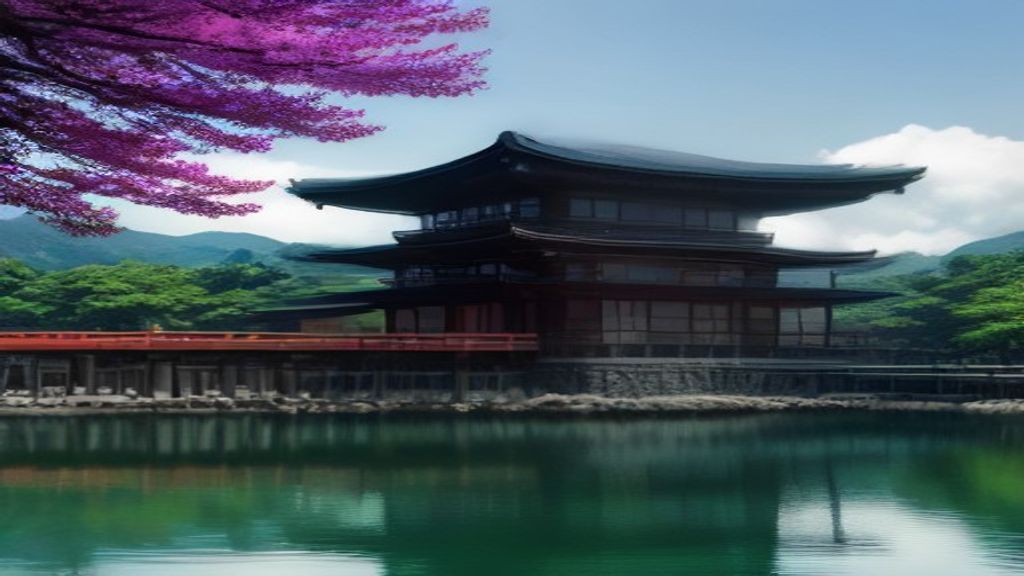
Key Highlights
- ✅ Experience both the solemn history of Hiroshima Peace Memorial Park and the breathtaking beauty of Miyajima’s ‘floating’ torii gate in a single, unforgettable day.
- 🚆 Master the Shinkansen journey from Tokyo to Hiroshima and navigate local transport like a pro, maximizing your precious travel time.
- 🍜 Indulge in authentic Hiroshima-style okonomiyaki and time your Miyajima visit perfectly to witness the Itsukushima Shrine’s iconic torii at its most magical high tide.
Japan, a land where ancient traditions gracefully coexist with futuristic innovation, offers countless profound experiences. Among them, a day trip combining the poignant history of Hiroshima with the ethereal beauty of Miyajima Island stands out as an absolute must for any international traveler. This comprehensive guide will equip you with all the knowledge to navigate this powerful Hiroshima Miyajima day tour, ensuring a smooth, respectful, and deeply memorable journey from the bustling heart of Tokyo to the tranquil shores of the Seto Inland Sea.
From the moment you board the legendary Shinkansen, you’ll embark on an adventure that balances solemn reflection with breathtaking natural and cultural wonders. We’ll delve into everything from securing your Miyajima ferry tickets, understanding the best tide times, savoring the local delicacy on a Hiroshima okonomiyaki tour, and optimizing your travel via the Shinkansen Tokyo to Hiroshima route. Get ready to discover a destination that beautifully showcases Japan’s resilience, peace, and unparalleled natural splendor.
Planning Your Hiroshima & Miyajima Day Trip: Logistics & Essentials
Crafting a seamless day trip to Hiroshima and Miyajima requires meticulous planning, especially when originating from distant cities like Tokyo. Here’s how to set yourself up for success.
🚆 Getting There: The Shinkansen Experience
Traveling from Tokyo to Hiroshima is an adventure in itself, made incredibly efficient by Japan’s world-renowned Shinkansen (bullet train) network.
-
From Tokyo Station to Hiroshima Station: The fastest service is the Nozomi Shinkansen, which takes approximately 4 hours one way. However, the Nozomi is not covered by the Japan Rail Pass. If you’re using a JR Pass, you’ll take the Hikari and then transfer to a Sakura Shinkansen (or sometimes just a direct Sakura), which will add about 30-60 minutes to your journey, totaling around 5 hours. Considering the round trip, this makes for a long but entirely feasible day.
- Cost: A one-way Nozomi ticket from Tokyo to Hiroshima costs around ¥19,760 (unreserved) to ¥20,530 (reserved). Round trip, expect roughly ¥40,000.
- Booking: It is highly recommended to book your Shinkansen tickets in advance, especially during peak travel seasons or on weekends. You can purchase tickets at major JR ticket offices (Midori-no-Madoguchi) or online. Consider the convenience of a Japan Rail Pass if you plan extensive travel beyond Hiroshima. While an ordinary JR Pass is expensive for just a single Hiroshima return trip from Tokyo, it can be very cost-effective for longer itineraries.
-
From Kyoto/Osaka: If you’re starting from Kyoto or Osaka, the journey is significantly shorter. From Shin-Osaka Station to Hiroshima Station, the Nozomi takes about 1 hour 20 minutes, while the Sakura (covered by JR Pass) takes approximately 1 hour 40 minutes. This makes a day trip from the Kansai region much more relaxed.
💡 JR Pass vs. Individual Tickets: A Quick Comparison
Deciding between a Japan Rail Pass and individual Shinkansen tickets depends heavily on your overall itinerary. For a round trip from Tokyo to Hiroshima and nothing else, individual tickets might be cheaper. However, if you’re visiting other cities like Kyoto, Osaka, or Himeji castle, the JR Pass quickly becomes an excellent value.
| Feature | JR Pass (Ordinary, 7-day) | Individual Shinkansen Tickets |
|---|---|---|
| Cost (approx.) | ¥50,000 for 7 days (as of early 2024, subject to change) | ~¥40,000 round trip Tokyo-Hiroshima |
| Covered Trains | Hikari, Sakura, Kodama (Nozomi NOT covered) | All Shinkansen types (Nozomi, Hikari, etc.) |
| Flexibility | Unlimited travel on JR lines within validity period | Fixed route tickets, less flexibility |
| Best for | Extensive multi-city itineraries | Limited travel, specific routes |
You can purchase your Japan Rail Pass and other regional passes from reputable travel agencies or online before arriving in Japan.
✈️ Klook Special Travel Deal
Get instant confirmation, skip the lines, and book your tickets safely online.
🗓️ When to Visit & What to Pack
- Best Seasons: Spring (March-May) and Autumn (October-November) offer the most pleasant weather, with mild temperatures and beautiful scenery (cherry blossoms in spring, vibrant foliage in autumn). Summer (June-August) can be hot and humid, while winter (December-February) is cooler but typically dry, offering clear views of Miyajima’s torii gate.
- Avoiding Crowds: Weekdays are generally less crowded than weekends and Japanese national holidays. Aim to arrive at the Peace Memorial Park early in the morning.
- What to Pack: Comfortable walking shoes are paramount. Bring a portable charger for your phone, especially if you’ll be relying on it for navigation and photos. A light jacket is advisable even in warmer months, and definitely pack layers for cooler seasons. Don’t forget an umbrella or rain jacket, as weather can be unpredictable.
🚌 Navigating Locally: Hiroshima & Miyajima
Once you arrive at Hiroshima Station, getting around is straightforward.
-
In Hiroshima: The city center, including the Peace Memorial Park, is easily accessible via the Hiroshima Streetcar (tram). From Hiroshima Station, take tram line #2 or #6 to the “Genbaku Dome-mae” stop (Atomic Bomb Dome), which is a short walk to the Peace Memorial Park. The journey takes about 15-20 minutes and costs a flat fare of ¥190. You can use an IC card (Suica, Pasmo, etc.) or pay with cash.
-
To Miyajima: Your journey to Miyajima involves a train and a ferry.
- Train to Miyajimaguchi Station: From Hiroshima Station, take the JR Sanyo Line to Miyajimaguchi Station. This ride takes approximately 25-30 minutes and costs ¥420. The JR Pass covers this train journey.
- Ferry to Miyajima Island: From Miyajimaguchi Station, it’s a very short walk to the ferry terminal. There are two ferry companies: JR Miyajima Ferry and Matsudai Ferry. The JR Miyajima Ferry is covered by the Japan Rail Pass. The ferry ride itself is only about 10 minutes, offering fantastic views of the ‘floating’ torii gate as you approach the island. Miyajima ferry tickets cost ¥180 one way if you don’t have a JR Pass.
Hiroshima: A Journey of Reflection and Resilience
Your first stop in Hiroshima is undoubtedly the Peace Memorial Park, a solemn and essential experience.
🕊️ The Peace Memorial Park & Museum
Dedicated to the memory of the victims of the atomic bombing and a plea for world peace, the Hiroshima Peace Memorial Park is a profoundly moving site that requires respectful contemplation.
- Atomic Bomb Dome (Genbaku Dome): This striking skeletal ruin is the only structure left standing near the hypocenter after the bombing. It serves as a powerful and stark reminder of the devastation.
- Peace Memorial Museum: The museum provides a harrowing yet vital account of the bombing and its aftermath through artifacts, photos, and personal testimonies. It’s a challenging but crucial experience for understanding the human cost of war. Allocate at least 1.5 to 2 hours for a thorough visit.
- Opening Hours: Typically 8:30 AM to 6:00 PM (closing times vary seasonally, check official website).
- Admission: ¥200 for adults.
- Cenotaph for the A-Bomb Victims: This arch-shaped monument contains the names of all known victims, with an eternal flame burning in the background, symbolizing the hope for a world free of nuclear weapons.
- Children’s Peace Monument: Adorned with countless colorful paper cranes, this monument commemorates Sadako Sasaki and all children who perished due to the bombing. Visitors are encouraged to contribute paper cranes as a symbol of peace.
A serene yet powerful view of the Atomic Bomb Dome, a poignant symbol of peace.

⚠️ A Note on Respectful Visiting
The Peace Memorial Park is a solemn place. Please maintain a respectful demeanor, avoid loud conversations, and dress appropriately. Photography is allowed but be mindful of the subject matter and other visitors.
🍜 Savoring Hiroshima’s Culinary Delights: Okonomiyaki
After a reflective morning, it’s time to experience Hiroshima’s more cheerful side – its renowned cuisine. A Hiroshima okonomiyaki tour is an absolute must.
Unlike its Osaka counterpart, Hiroshima-style okonomiyaki features distinct layers of batter, cabbage, noodles (udon or soba), and various fillings (pork, seafood), all topped with a fried egg and a generous slather of savory sauce. It’s cooked on a large teppan (iron griddle) right in front of you.
- Where to Eat: Two popular multi-story complexes are dedicated to okonomiyaki, offering a dizzying array of choices:
- Okonomimura (Okonomiyaki Village): Located in the Shintenchi district, this building houses 24 small okonomiyaki restaurants across several floors. Each stall has its loyal following, offering slightly different variations.
- Okonomi-kyowakoku (Okonomiyaki Republic): Another multi-story building in the Nagarekawa area, with a similar concept, featuring numerous stalls to choose from.
- Experience: Pull up a stool at a counter, watch the chefs skillfully prepare your meal, and enjoy it fresh off the grill. It’s a communal and highly satisfying experience.
- Cost: Expect to pay around ¥800 to ¥1,500 per okonomiyaki, depending on the toppings.
Miyajima Island: Where Nature Meets Divinity
Post-lunch, it’s time to head to Miyajima, home to one of Japan’s most iconic and photogenic landmarks.
⛩️ The Iconic Itsukushima Shrine & Floating Torii Gate
Itsukushima Shrine, a UNESCO World Heritage site, is famous for its ‘floating’ torii gate, which appears to be standing on water during high tide. This magical sight is a testament to Japanese architectural ingenuity and reverence for nature.
- High Tide vs. Low Tide: This is the most crucial factor for your Miyajima visit. The torii gate looks most impressive when surrounded by water during high tide, giving it the ‘floating’ illusion. At low tide, you can walk right up to its base, which offers a different, equally fascinating perspective.
- Timing: Ideally, plan your ferry arrival at Miyajima around 1-2 hours before peak high tide to see the water rising, and stay through peak high tide for the best photos. Alternatively, if you want to walk to the torii, aim for a visit around 1-2 hours before peak low tide.
- Checking Tide Times: This is absolutely essential! Always check the Miyajima tide timetable in advance. You can find up-to-date schedules on the official Miyajima Tourist Association website or through a quick Google search for “Miyajima tide times.”
🌊 Pro Tip: Miyajima Tide Timing is Key!
To truly appreciate the ‘floating’ torii, you MUST align your visit with high tide. There’s nothing more disappointing than arriving to see it stranded in mud. Use the tide charts to plan your ferry arrival and departure from the island. Often, visiting around mid-day allows for some flexibility with tides, but early morning or late afternoon can catch the most dramatic views.
- Itsukushima Shrine Complex: Walk through the exquisite vermilion shrine buildings, which are also built over the water. The intricate architecture and peaceful atmosphere are captivating. An admission fee of ¥300 is required to enter the inner shrine.
The majestic Itsukushima Shrine and its ‘floating’ torii gate, a timeless symbol of Japan’s beauty.

🦌 Exploring Miyajima’s Natural Beauty
Beyond the shrine, Miyajima offers much more to discover.
- Wild Deer: The island is home to numerous friendly wild deer, much like Nara. They roam freely, often approaching visitors, but remember not to feed them.
- Mount Misen: For panoramic views of the Seto Inland Sea and surrounding islands, take the Miyajima Ropeway up Mount Misen. The ropeway takes about 20 minutes, followed by a 30-minute hike to the summit. Alternatively, you can hike all the way up (1.5-2 hours). The views, especially at sunset, are spectacular.
- Ropeway Cost: ¥1,120 one way, ¥2,020 round trip.
- Daisho-in Temple: Located at the base of Mount Misen, this beautiful and extensive Buddhist temple complex is one of the most important on Miyajima. It features numerous halls, statues, and unique prayer wheels, offering a peaceful retreat from the crowds around the shrine.
🛍️ Souvenirs and Snacks
As you stroll through the charming Omotesando shopping street, try local delicacies:
- Momiji Manju: A maple-leaf-shaped cake, typically filled with red bean paste, but also available with chocolate, cream cheese, and other flavors. Perfect as a souvenir!
- Grilled Oysters: Miyajima is famous for its fresh oysters, which you can enjoy grilled at various stalls. A truly local treat!
Crafting Your Perfect Itinerary: A Sample Day Trip
Here’s a practical itinerary for a full day trip, optimizing for the Shinkansen Tokyo to Hiroshima journey.
- ⏰ 7:00 AM – 7:30 AM: Depart from Tokyo Station on an early Nozomi Shinkansen (or earliest JR Pass-eligible train). Pack some breakfast or grab an Ekiben (train bento box) for the ride.
- ⏰ 11:00 AM – 11:30 AM: Arrive at Hiroshima Station. Take the streetcar (Line #2 or #6) to Genbaku Dome-mae (Atomic Bomb Dome).
- ⏰ 11:30 AM – 2:00 PM: Explore the Peace Memorial Park and Museum. Allocate ample time for reflection.
- ⏰ 2:00 PM – 3:00 PM: Enjoy a late lunch. Head to Okonomimura or Okonomi-kyowakoku for a delicious Hiroshima okonomiyaki tour experience.
- ⏰ 3:00 PM – 3:45 PM: Travel to Miyajima. Take the JR Sanyo Line from Hiroshima Station to Miyajimaguchi Station, then the JR Miyajima Ferry to the island. Check tide times and aim for ferry arrival to coincide with rising or high tide.
- ⏰ 3:45 PM – 6:30 PM: Explore Miyajima. Visit Itsukushima Shrine during high tide, stroll through the shopping streets, interact with the deer, or make a quick visit to Daisho-in Temple if time permits.
- ⏰ 6:30 PM – 7:00 PM: Take the ferry back to Miyajimaguchi and the JR Sanyo Line back to Hiroshima Station.
- ⏰ 7:30 PM – 8:00 PM: Depart from Hiroshima Station on a Shinkansen back to Tokyo.
- ⏰ 11:30 PM – 12:00 AM: Arrive back at Tokyo Station.
This is a packed day, but entirely doable. For a more relaxed pace, consider an overnight stay in Hiroshima. Look for convenient Shinkansen packages or tours if you prefer a guided experience. You can find various tour options including transportation and guides via
✈️ Klook Special Travel Deal
Get instant confirmation, skip the lines, and book your tickets safely online.
.
Frequently Asked Questions (FAQ)
🤔 How much time should I allocate for Hiroshima Peace Memorial Park?
It is recommended to allocate at least 2.5 to 3 hours for a comprehensive visit to the Peace Memorial Park and Museum. This allows enough time to explore the Atomic Bomb Dome, the Cenotaph, the Children’s Peace Monument, and to fully absorb the exhibits in the Peace Memorial Museum without feeling rushed. Some visitors choose to spend half a day here for deeper reflection.
🛳️ Is the Miyajima ferry included in the JR Pass?
Yes, the JR Miyajima Ferry service from Miyajimaguchi to Miyajima Island is fully covered by the Japan Rail Pass. Simply present your valid JR Pass at the gate, and you can board. There is also another ferry company, Matsudai Ferry, which is not covered by the JR Pass.
🌊 What’s the best way to check Miyajima tide times?
The most reliable way to check Miyajima tide times is through the official Miyajima Tourist Association website. They provide a detailed monthly tide schedule, usually available several months in advance. A quick search on Google for “Miyajima tide times” will also yield current information from various reputable sources. Always cross-reference if possible to ensure accuracy for your travel date.
🚄 Can I do both Hiroshima and Miyajima in one day from Tokyo?
Yes, it is absolutely possible to visit both Hiroshima and Miyajima in a single day from Tokyo, especially by utilizing the Nozomi Shinkansen for the fastest travel. However, it will be a long day, involving about 8-10 hours of travel round trip. To make it comfortable, start very early from Tokyo and plan your local transportation efficiently. If you prefer a more leisurely pace or want to explore beyond the main attractions, an overnight stay in Hiroshima is advisable.
Where to Stay (If You Extend Your Trip)
Should you decide to extend your stay in the Hiroshima region, the city of Hiroshima offers a wide range of accommodation options. Staying near Hiroshima Station or in the city center (around Hondori/Peace Park) provides excellent access to public transport and dining. From luxurious hotels to budget-friendly hostels, you’ll find something to suit your needs. Booking in advance is always recommended, particularly during peak seasons. You can explore and book accommodations through
🏨 Booking.com Best Price Guarantee
Compare hundreds of hotels, enjoy free cancellation, and find the perfect accommodation.
.
Embrace the Journey: Your Unforgettable Hiroshima & Miyajima Experience
A day trip to Hiroshima and Miyajima is more than just sightseeing; it’s a journey through history, a moment of peaceful contemplation, and an immersion in Japan’s stunning natural beauty. From the solemn and powerful message of peace conveyed in Hiroshima to the serene and iconic ‘floating’ torii gate of Miyajima, this experience will leave an indelible mark on your heart and mind. Armed with this guide, you are now ready to embark on an unforgettable adventure that beautifully intertwines resilience, hope, and timeless Japanese charm. We wish you an incredible, insightful, and profoundly moving trip!