Key Highlights
- 🌿 Explore Kyoto’s truly tranquil side at Otagi Nenbutsu-ji and Gio-ji Temples, far from the tourist hordes.
- 📸 Master the art of capturing breathtaking photos at Fushimi Inari’s hidden trails and discover authentic Kyoto traditional ryokan booking secrets.
- 🍜 Immerse yourself in local culture with authentic craft beer in Nishijin and navigate the city like a pro with tailored Kyoto day tours and transport tips.
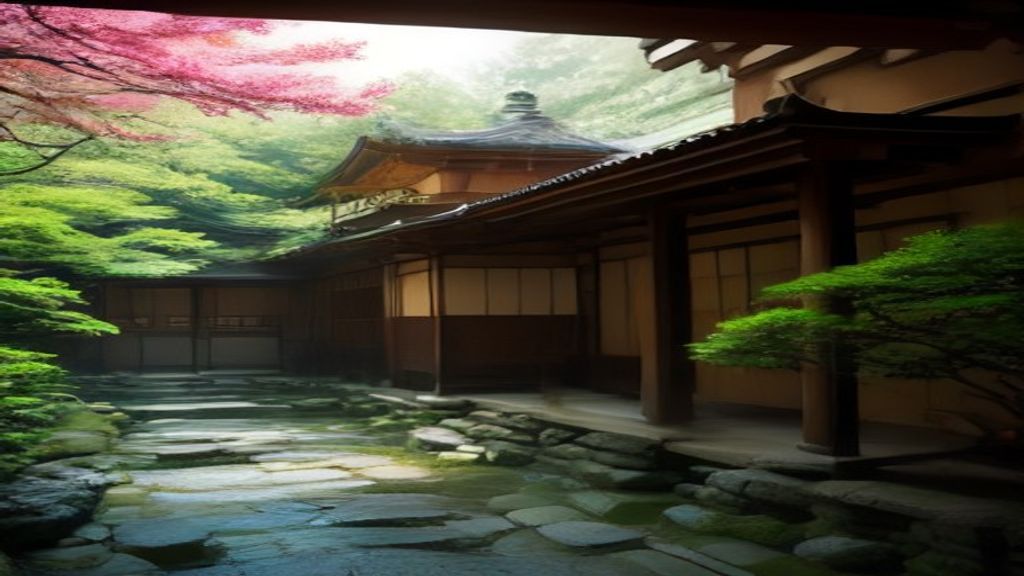
Kyoto, the ancient capital of Japan, captivates millions with its iconic temples, vibrant geisha districts, and serene Zen gardens. Yet, beneath the well-trodden paths of Kiyomizu-dera and the bustling lanes of Gion, lies a deeper, more profound Kyoto – a city brimming with secrets whispered only among locals and seasoned travelers. As your personal guide to the heart of Japan, I’m here to lead you away from the guidebooks and into the truly magical, unseen corners of this timeless city. Prepare to unearth five extraordinary hidden gems in Kyoto that promise not just beauty, but a genuine connection to its spiritual and cultural soul.
Unveiling Kyoto’s Best Kept Secrets: Temples and Tranquility
While Fushimi Inari and Kinkaku-ji are undeniably magnificent, the real magic of Kyoto often resides in its smaller, more intimate sanctuaries. These Kyoto hidden temples offer a profound sense of peace, allowing for reflection and an escape from the crowds.
1. Otagi Nenbutsu-ji Temple: The Rakan’s Serene Embrace
Nestled in the foothills beyond Arashiyama, Otagi Nenbutsu-ji is a whimsical, slightly eerie, and utterly captivating temple that feels a world away from central Kyoto. What makes it a hidden gem? Its remote location and the sheer number of its stone inhabitants. The temple grounds are home to approximately 1,200 rakan statues, each carved by amateur sculptors and depicting a unique, often humorous, expression. No two are alike, creating an unforgettable, almost playful atmosphere as you wander among them. It’s a testament to human creativity and a truly unique spiritual experience.
- Why Visit? Experience a surreal landscape of stone figures, enjoy unparalleled tranquility, and capture truly unique photographs.
- How to Get There:
- From Kyoto Station, take the JR San-in Line to Saga-Arashiyama Station (approx. 15-20 min).
- From Saga-Arashiyama, you can take a local bus (Kyoto City Bus #94 or Kyoto Bus #64, #74) towards Kiyotaki and alight at Otagi-dera-mae bus stop (approx. 20-30 min).
- Alternatively, it’s a pleasant, albeit long, walk (around 45 minutes) uphill from the main Arashiyama bamboo grove, passing several other charming temples like Adashino Nenbutsu-ji along the way. Consider cycling if you’re exploring Arashiyama extensively.
- Best Time to Visit: To avoid the handful of tourists who do venture here, aim for early morning (9:00 AM) right after opening or late afternoon (3:00 PM-4:00 PM) before closing. The light is also excellent for photography during these times. Autumn (late November) offers spectacular fall foliage framing the rakan.
- Cost: 💰 ¥400 (Admission fee).
- Operating Hours: ⏰ 9:00 AM – 4:30 PM (last entry 4:15 PM).
📸 Photography Tip:
Focus on individual rakan statues and their expressions. Play with depth of field to create a dreamlike effect with hundreds of blurred figures in the background. Respect the sanctity of the place and avoid touching the statues.

2. Gio-ji Temple: Moss Garden of Solitude
Just a short stroll from Arashiyama’s bustling main street, Gio-ji is a tiny, thatched-roof temple that offers an immediate sense of peace. It’s often overlooked in favor of its grander neighbors, which is precisely why it remains one of Kyoto’s most enchanting hidden gems. Famous for its exquisite moss garden, which seems to glow with an emerald light, Gio-ji tells the poignant tale of Gio, a dancer who became a nun after falling out of favor with a powerful lord. The temple’s modest size only enhances its intimate and reflective atmosphere.
- Why Visit? Immerse yourself in a carpet of vibrant moss, experience profound tranquility, and appreciate a historical tale of beauty and renunciation.
- How to Get There: From Saga-Arashiyama Station, it’s about a 15-20 minute walk north. Follow signs towards Adashino Nenbutsu-ji; Gio-ji is just before it.
- Best Time to Visit: The moss is most vibrant after rain or during the humid summer months. However, any time of year offers a unique beauty. Go mid-morning for gentle light filtering through the trees.
- Cost: 💰 ¥300 (Admission fee).
- Operating Hours: ⏰ 9:00 AM – 5:00 PM (last entry 4:30 PM).
3. Shisendo Temple: A Poet’s Tranquil Retreat
Shisendo, also known as Shisendo Jozan-ji, is a wonderfully peaceful temple located in a quiet residential area in northern Kyoto. Built by the Edo period samurai-turned-scholar Ishikawa Jozan, it was designed as a mountain villa for his retirement and a space for poetic contemplation. Its primary draw is the meticulously raked dry landscape garden (karesansui) and the “Nightingale Floor” (uguisubari), which sings as you walk across it (though less pronounced than at Nijo Castle, it’s a subtle charm here).
- Why Visit? Escape the crowds entirely, admire a perfectly manicured garden, and enjoy the silence of a scholar’s retreat.
- How to Get There:
- Take Kyoto City Bus #5 from Kyoto Station to Ichijoji Sagarimatsu-cho bus stop (approx. 40-50 min), then a 5-minute walk.
- Alternatively, from Demachiyanagi Station (Keihan Line), take Kyoto City Bus #5 or #65 to Ichijoji Sagarimatsu-cho (approx. 10-15 min).
- Best Time to Visit: Visit in the late afternoon for beautiful indirect light on the garden, or during early spring for azaleas and early winter for a rare dusting of snow.
- Cost: 💰 ¥500 (Admission fee).
- Operating Hours: ⏰ 9:00 AM – 5:00 PM (last entry 4:45 PM).
Beyond Temples: Unique Kyoto Experiences
Kyoto is more than just temples. It’s a living city with hidden culinary delights and unique perspectives on its most famous landmarks.
4. The Craft Beer Scene & Local Izakayas of Nishijin
While Gion and Pontocho offer traditional dining, the Nishijin district, historically known for its textile weaving, provides a glimpse into modern Kyoto’s burgeoning craft beer scene and authentic, unpretentious izakayas. This area, less frequented by international tourists, offers a true local experience where you can mingle with residents over delicious food and unique brews. It’s the perfect place for an evening of genuine discovery.
- Why Visit? Savor local craft beers, enjoy authentic izakaya fare without tourist mark-ups, and experience a genuine local Kyoto night out.
- What to Expect: Several small, independent breweries and cozy izakayas dot the area. Look for places like Kyoto Brewing Company (though a bit further out, their beers are widely available) or smaller, local-focused bars around Imadegawa Station or Horikawa Imadegawa. Many izakayas here specialize in yakitori, local vegetables, and unique sake pairings.
| Feature | Nishijin Local Izakaya Experience | Gion/Pontocho Tourist Izakaya Experience |
|---|---|---|
| Atmosphere | 🏮 Cozy, authentic, local, relaxed | ✨ Bustling, traditional, sometimes tourist-focused |
| Pricing (per person) | 💰 ¥2,500 – ¥4,000 (for food & drinks) | 💸 ¥4,000 – ¥8,000+ (can be higher) |
| Crowd | 👥 Primarily locals, some intrepid travelers | 👨👩👧👦 Mix of tourists and locals, often crowded |
| English Menu | 📝 Less common, but staff often helpful | 📖 More likely, sometimes multilingual |
| Unique Finds | 🍺 Craft beers, unique local dishes | 🍢 Classic Kyoto dishes, maiko/geisha spotting |
🍻 Local Etiquette:
Order a “nama biiru” (draft beer) to start. Don’t forget to try “otsumami” (small snacks) with your drinks. Tipping is not customary in Japan. Many small establishments might be cash-only, so have some yen handy!
5. Fushimi Inari-Taisha: Uncovering True Serenity Beyond the Crowds
Fushimi Inari-Taisha is by no means a hidden gem; it’s one of Kyoto’s most visited sites. However, the true experience of Fushimi Inari – one of serenity, contemplation, and breathtaking nature – is a hidden gem, often missed by those who only venture through the first few hundred torii gates. The secret lies in going beyond. Most tourists turn back after the initial climb, but the full hike to the summit of Mount Inari reveals incredibly peaceful sections, spectacular Fushimi Inari photo spots, and panoramic views of Kyoto.
- Why Visit? Discover the mountain’s tranquil upper trails, find unparalleled photo opportunities, and experience the spiritual journey as intended, away from the throngs.
- Strategic Visiting:
- Early Bird or Night Owl: Arrive at sunrise (6:00 AM-7:00 AM) for magical light and virtually no crowds. Alternatively, visit just before sunset for dramatic lighting and a unique atmosphere (the paths are lit at night).
- Go All the Way: Don’t stop at the Yotsutsuji Intersection (the first major viewpoint). Continue climbing beyond this point. The crowds thin dramatically, and the paths become more serene and beautiful.
- Seek Out the Side Shrines: Many smaller, less-frequented shrines and mini torii gate paths branch off the main route. These are fantastic for unique photos and a sense of discovery.
- Key Photo Spots:
- 📸 The iconic parallel rows of gates just after the main shrine, taken from slightly ahead of the crowds.
- 📸 Serene paths in the upper reaches of the mountain, where moss covers the gates and fewer people are present.
- 📸 The Yotsutsuji Intersection at sunrise/sunset for panoramic city views.

Elevating Your Kyoto Journey: Planning & Logistics
To truly enjoy these hidden gems, smart planning is key. Navigating Kyoto efficiently and choosing the right accommodation can make all the difference.
Navigating Kyoto: Getting Around Like a Local
Kyoto has an excellent public transport system, primarily relying on buses and trains. Understanding its nuances will save you time and money.
- Kyoto City Bus: The most comprehensive way to reach many temples, especially those off the train lines. The Kyoto City Bus One-Day Pass (💰 ¥700) is often a fantastic value if you plan to take 3 or more bus rides in a day. It can be purchased on the bus, at major bus terminals, or subway stations.
- Trains (JR, Keihan, Hankyu): Efficient for longer distances and connecting major hubs. The JR Nara Line takes you directly to Fushimi Inari Station. The Keihan Main Line runs along the Kamo River, convenient for eastern Kyoto. The Hankyu Kyoto Line connects Kyoto to Osaka. For extensive travel, consider a Japan Rail Pass or regional passes depending on your itinerary.
- Taxis: Readily available but can be expensive. Use them for short distances, late-night returns, or when traveling with heavy luggage. Most now accept credit cards, but cash is always safe.
- Cycling: For areas like Arashiyama or exploring the Kamo River, renting a bicycle offers freedom and a local perspective. Many hotels and dedicated rental shops offer bikes.
For those who prefer a structured approach or want to cover multiple hidden spots efficiently, consider booking Kyoto day tours. These often include transport and expert guides, taking the hassle out of planning and providing deeper insights.
✈️ Klook Special Travel Deal
Get instant confirmation, skip the lines, and book your tickets safely online.
Where to Stay: Authentic Kyoto Ryokan Experiences
To fully immerse yourself in traditional Japanese culture, a stay at a ryokan (traditional Japanese inn) is an absolute must. Choosing a ryokan outside the main tourist drag can offer a more authentic and peaceful experience, supporting Kyoto traditional ryokan booking.
- What to Expect: Tatami mat rooms, futon bedding, exquisite multi-course kaiseki dinners (often served in your room), public or private onsen (hot spring baths), and impeccable Japanese hospitality. It’s an experience, not just a place to sleep.
- Areas to Consider for Hidden Gems:
- Northern Kyoto (near Shisendo): Quieter, residential areas offer small, intimate ryokans. Perfect for experiencing daily Kyoto life.
- Arashiyama Vicinity: While the main area is popular, look for ryokans slightly further afield towards Saga-Toriimoto for proximity to Otagi Nenbutsu-ji and Gio-ji in a serene setting.
- Central but slightly off-center: Areas like Nishijin or around Kyoto Imperial Palace can offer excellent ryokan options that are less about tourist bustle and more about genuine local charm.
- Booking Tips:
- Book well in advance: Especially for popular seasons like cherry blossom (late March to mid-April) and autumn foliage (mid-November to early December). Many popular ryokans fill up 6-12 months ahead.
- Check for Dinner/Breakfast Options: Many ryokans offer half-board plans (dinner and breakfast included), which is highly recommended for the kaiseki experience. Verify dietary restrictions in advance.
- Read Reviews Carefully: Look for mentions of hospitality, food quality, and bath facilities. Understand that some smaller, traditional ryokans might not have private bathrooms in every room.
🏨 Booking.com Best Price Guarantee
Compare hundreds of hotels, enjoy free cancellation, and find the perfect accommodation.
👘 Ryokan Etiquette:
Remove your shoes at the entrance. Change into the provided yukata (robe) for dinner and relaxation. Be mindful of noise levels, especially in shared areas like baths. Embrace the tranquility!
Frequently Asked Questions (FAQ)
Q1: What is the best time to visit Kyoto to avoid crowds while still enjoying good weather?
A: The shoulder seasons are ideal. Late April to May (after Golden Week) and late September to early November (before peak autumn foliage) offer pleasant temperatures, less rain, and significantly fewer crowds compared to cherry blossom or peak autumn seasons. You’ll have a much more serene experience at these hidden gems.
Q2: Are these hidden gems easily accessible by public transport?
A: Yes, all five locations are accessible via a combination of Kyoto City Bus and/or trains, though some require a short walk from the nearest stop. The instructions provided above should guide you smoothly. Using a Kyoto City Bus One-Day Pass is particularly recommended for Otagi Nenbutsu-ji, Gio-ji, and Shisendo.
Q3: What’s a reasonable budget for a day exploring these hidden spots in Kyoto?
A: Excluding accommodation and major meals, a reasonable budget for admissions and local transport to explore these hidden gems would be around 💰 ¥1,500 – ¥2,500 per person. This covers entrance fees (approx. ¥300-¥500 per temple) and a Kyoto City Bus One-Day Pass (¥700). If you add a casual lunch or a few snacks, factor in another ¥1,000 – ¥2,000.
Your Unforgettable Kyoto Adventure Awaits
Kyoto is a city of layers, where ancient traditions blend seamlessly with quiet innovation. While the grand, famous sights hold an undeniable allure, it is in these Kyoto hidden temples and unique local experiences that the true spirit of the city often reveals itself. By venturing off the beaten path, you’re not just seeing more of Kyoto; you’re feeling it, connecting with its soul in a way that few tourists ever do. Embrace the spirit of discovery, allow yourself to get a little lost, and prepare to create memories that will last a lifetime. Your authentic, unforgettable Kyoto adventure starts now! We warmly invite you to explore the serene beauty and profound tranquility that awaits you.
コメントを残す